- Streetwave project maps mobile phone signal from three main providers
- Measured using devices on recycling trucks and street sweepers
- Walking surveys for major attractions
- Free, clickable map shows signal quality and data speeds for each network at street-by-street level
- Results to help improve coverage for residents, visitors and businesses
- Helps visitors stay connected at big events like Grand National
A major survey using bin lorries and street sweepers to track mobile phone signals is helping improve some of Liverpool City Region’s biggest visitor attractions.
Launched in March, the project installed scanners on bin lorries across the city region to check connectivity down to street level and create a free, interactive map.
The Combined Authority initiative has also been widened to cover more inaccessible areas, including visitor attractions such as Knowsley Safari, the BrewDog Stadium in St Helens, Aintree racecourse, the Southport Flower Show and the River of Light.
The survey will identify ‘not-spots’ – where poor signal can prevent visitors and residents using their phones.
The scheme is the latest in a series of measures by the Combined Authority aimed at creating the best digitally connected region in the UK.
Cllr Liam Robinson, Cabinet Member for Innovation at the Liverpool City Region, said:
“This is a smart, data-driven project that’s improving connectivity where it matters most – for our businesses, residents and the visitor economy. By mapping mobile coverage street-by-street, we’re helping people stay connected at home, on their commute and at major attractions and events across the city region.
“The map will be a useful tool for anyone looking to find the most suitable provider and the results of the survey could help businesses plan even better for big events.”
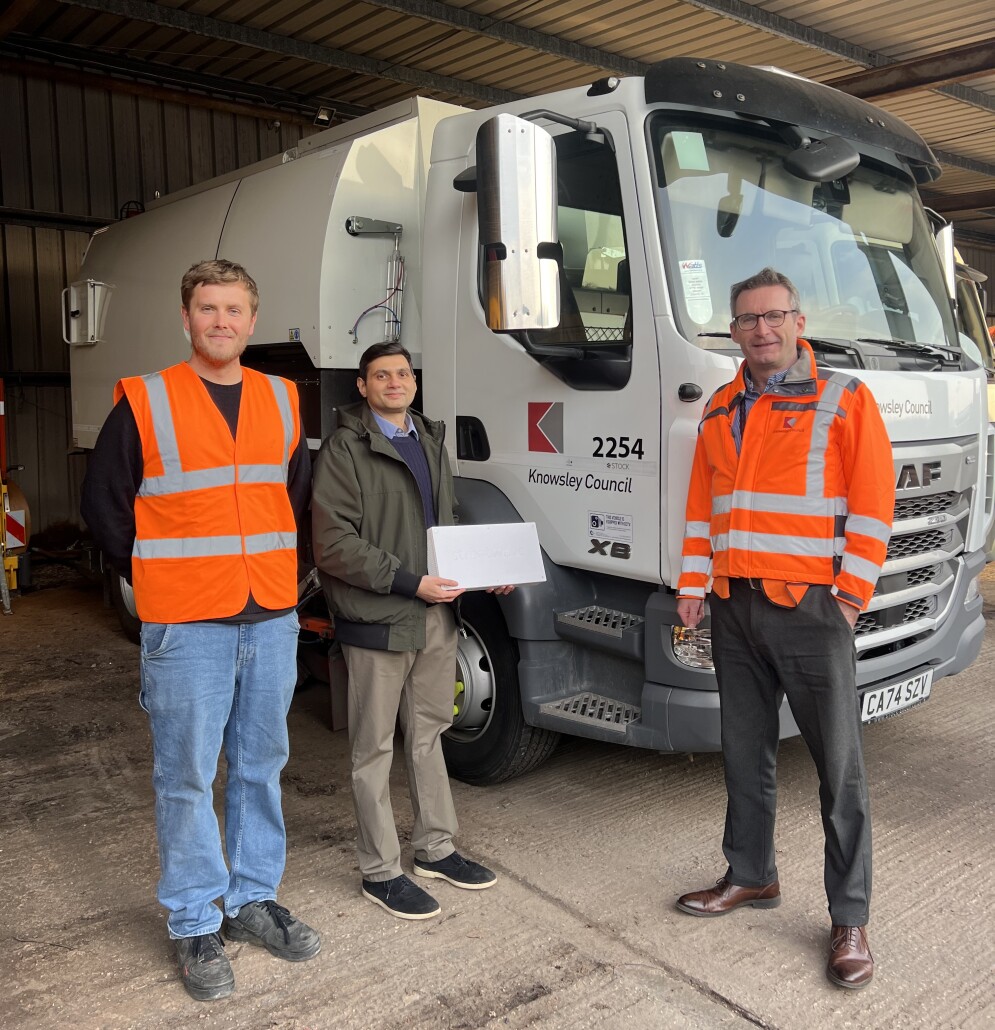
Councils used bin lorries to carry the tracker during rounds.
The signal detection units have been developed by mobile analysts Streetwave. They contain mobile phones, each linked to one of the three main UK providers – EE, O2 and VodafoneThree.
The mobile connectivity mapping creates a visual overview of coverage and capacity in an area for 4 and 5G.
The survey has been largely carried out using local authority waste collection vehicles as a cost-effective way to assess coverage down to address level.
For inaccessible areas, such as beaches, paths and shopping centres, walking surveys have been performed using portable units carried by volunteers.
Volunteers walked the Aintree course during Ladies Day at the Grand National festival in April. The results will be used to improve connectivity next year while Knowsley Safari staff surveyed the park and drive with the aim to use the data to inform their work to improve visitor experience around its enclosures. During this year’s River of Light, volunteers surveyed the route to see how high demand can impact the quality of our network performance.
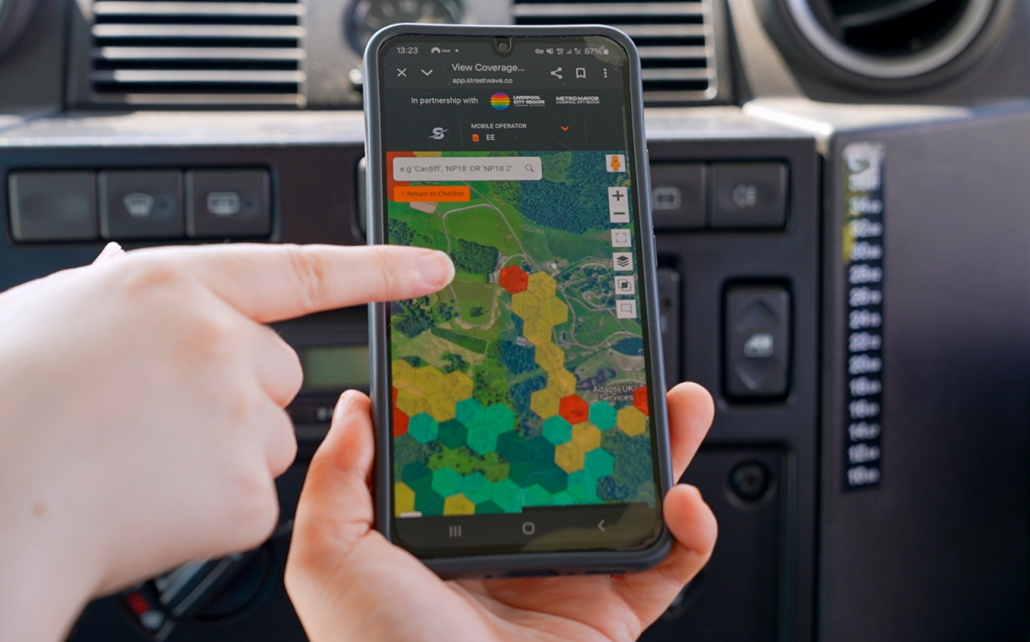
Jon Turley, General Manager, Knowsley Safari, said:
“There is no better place to take a selfie than Knowsley Safari so we understand that our guests want to stay connected while they are here on site.
“We are set in 550 acres with a five-mile drive so it’s really important for us to know where our signal is great and where we have got not-spots so we can keep people connected.
“We are really excited to be part of the project and the staff and keeping teams were on board with the device. They took it around in their vehicles going about their day-to-day activities and others carried it in a backpack on the foot safari so that we could map that information around the signal.”
Alan Adams, General Manager, Southport Flower Show, said:
“Having strong mobile phone signal and coverage is essential for hosting successful events at Victoria Park. Reliable connectivity ensures smooth communication between event organisers, staff, vendors, and emergency services, while also enhancing the experience for visitors who expect to share their moments online and stay connected throughout the event. In today’s digital age, good coverage is not just a convenience—it’s a necessity for safety, coordination, and engagement.”