- House of Commons Science, Innovation and Technology Select Committee tours key science and technology assets in Knowledge Quarter Liverpool
- Committee exploring how innovation clusters and ecosystems outside Greater South East can drive national economic growth
- MPs visit Liverpool City Region as model of place-based innovation as they seek good practice that can be applied across UK

House of Commons Science, Innovation and Technology Select Committee Chair Chi Onwurah MP with Liverpool City Region Mayor Steve Rotheram at MTC, Liverpool Science Park
An influential committee of MPs has used its first official visit to learn how the Liverpool City Region’s UK-leading approach to innovation is maximising its world-leading strengths and driving economic growth.
The House of Commons Science, Innovation and Technology Select Committee (DSIT) today (TUES) visited key assets at Knowledge Quarter Liverpool, including the Materials Innovation Factory partnership between the University of Liverpool and Unilever.
The Committee also toured the Liverpool School of Tropical Medicine, with its flagship national Infection Innovation Consortium (iiCON) programme, and the Manufacturing Technology Centre (MTC) at Liverpool Science Park, where MPs were welcomed by Mayor Steve Rotheram.
Select Committee Chair Chi Onwurah MP chose the city region as an example of good practice after being impressed during an innovation-themed fringe event at the Labour Party Conference in September.
Home to the UK’s first sub-national Innovation Board, the Liverpool City Region has been developing its unique place-based innovation approach – founded on UK-leading collaborations between industry, academia and the public sector – for more than 10 years.
Mayor Rotheram has set a target to invest 5% of Liverpool City Region’s GVA in Research & Development by 2030, which would deliver an estimated 44,000 extra jobs, £20m GVA, and a 10% increase in productivity.

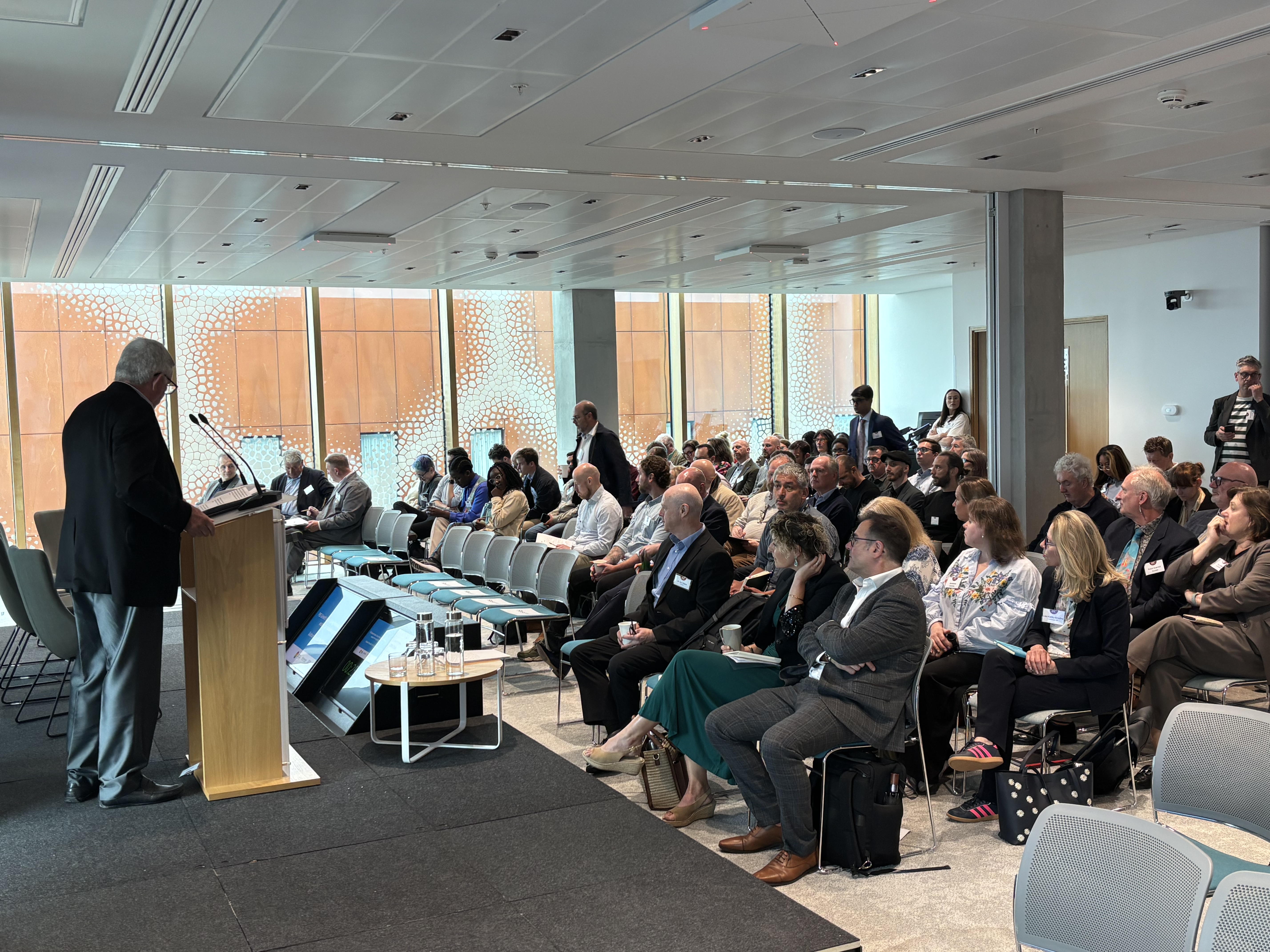
Mayor Steve Rotheram speaks to the House of Commons Science, Innovation and Technology Select Committee at MTC
Steve Rotheram, Mayor of the Liverpool City Region, said:
“It’s a great sign of confidence in the Liverpool City Region that the committee has chosen to visit us as part of its national fact-finding mission.
“Our region is a powerful example of how innovation, driven by collaboration between businesses, universities and public sector partners, can unlock growth and deliver lasting benefits for local communities.
“We’ll continue to invest in cutting-edge research and development, ensuring that we’re enhancing our world-class innovation assets but also creating thousands of high-quality jobs and driving the UK’s future prosperity.”
The cross-party committee’s role is to ensure policy and decision making at the Department for Science, Innovation and Technology is guided by scientific evidence.
It will use its fact-finding mission to inform a Parliamentary inquiry into the UK innovation landscape to identify how the Government could improve regulation, investment and funding.
The Chair of the Science, Innovation and Technology Committee, Chi Onwurah MP, said:
“The Committee was delighted to visit Liverpool’s Knowledge Quarter today and see some of the ground-breaking science and technology developments it houses. Not only this, but the KQ is a great example of how innovation can boost regional economic growth and benefit local communities.
“Today, we’ve also launched an inquiry to explore how innovation investment can kickstart growth and prosperity in the UK’s regions. What we’ve heard today will feed into this and has reinforced the importance of ensuring that innovation helps communities across the country.”

4. MTC Regional Director Charlie Whitford addresses the House of Commons Science, Innovation and Technology Select Committee
Professor Janet Hemingway, Founding Director of iiCON, said:
“LSTM has just celebrated its 125th Anniversary. The journey began with support from local business. It is timely that the Select Committee is able to see for itself the relevance of its activity to industry today, as highlighted by the LSTM-Led Consortium iiCON, a £222M programme which provides access to cutting edge technology to support business and brings much needed new infection therapeutics to market.”
Colin Sinclair, chief executive of Knowledge Quarter Liverpool, said:
“Through collaboration and a sense of shared ambition across our partnership, we have been able to create a dynamic innovation district in the heart of Liverpool city centre, harnessing and amplifying our strengths in health and life sciences, advanced manufacturing, materials chemistry, robotics and creative and digital technology.
“We were delighted to welcome the Select Committee today and it is incredibly rewarding to see that the government has identified Knowledge Quarter Liverpool as an exemplar of how innovation can drive economic growth and create better outcomes for our local communities across the Liverpool City Region.”
University of Liverpool Vice-Chancellor Professor Tim Jones said:
“It was a great pleasure to welcome the Science, Innovation and Technology Select Committee to the University to tour the Materials Innovation Factory (MIF), our flagship centre for materials discovery. The visit provided the opportunity to showcase the MIF’s pioneering research, exceptional facilities and unique partnership model which supports academic-industrial collaboration, drives innovation and boosts economic growth in the region and the UK.”
About KQ Liverpool:
KQ Liverpool is a 450-acre, world-leading innovation district, and is home to some of the world’s most influential players in science, health, technology, education, music and the creative performing arts. Its board comprises the University of Liverpool, Liverpool John Moores University, Liverpool City Council, Liverpool University Hospitals NHS Foundation Trust, Liverpool School of Tropical Medicine and Bruntwood SciTech.
About Liverpool School of Tropical Medicine
Liverpool School of Tropical Medicine (LSTM) is the world’s oldest centre of excellence in tropical medicine and international public health. It has been engaged in the fight against infectious, debilitating and disabling diseases since 1898 and continues that tradition today with a research portfolio over £620 million and a teaching programme attracting students from dozens of countries.
About iiCON:
Founded in 2020 with an £18.6m UK Government grant, iiCON brings together industry, academia and clinicians to accelerate the discovery, development and deployment of new treatments and products for infectious diseases – saving and improving millions of lives across the world. The consortium has quickly grown into a £240m programme working with a global network of more than 1009 organisations. By enabling industry access to world-leading facilities and expertise, it has supported 36 new products to market, with more than 5 billion units of life-saving products and treatments reaching communities across the world. It has also created 770 jobs and bolstered the region’s R&D infection spend by £859m.
About the University of Liverpool:
Founded in 1881 as the original ‘red brick’, the University of Liverpool is one of the UK’s leading research-intensive higher education institutions with an annual turnover of £614.9m, including an annual research income of £113.6 million. Consistently ranked in the top 200 universities worldwide, the University is a member of the prestigious Russell Group with a global reach and influence that reflects its academic heritage as one of the country’s largest civic institutions.