A landmark new report has revealed that the region’s music industry contributes £780 million annually to the economy, supports more than 14,000 jobs, and is on a clear trajectory to become a £1 billion sector by 2035.
The Liverpool City Region Music Economy: Toward a £1 Billion Sector provides the most comprehensive analysis ever undertaken of the region’s music industry. It reveals a sector that is significantly larger, more productive and more globally competitive than previously understood.
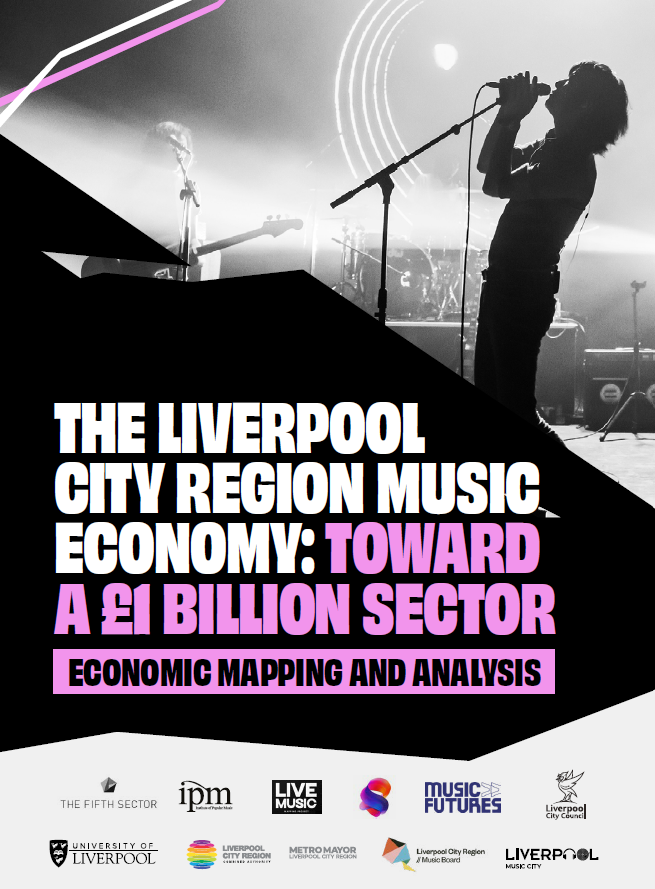
Funded by the Liverpool City Region Combined Authority through its music industry development pilot, the report was commissioned by Liverpool City Council and builds on five years of sector development by the Liverpool City Region Music Board. Its findings were delivered by partners at the University of Liverpool, a key academic and research partner on the industry development programme.
Beyond the headline figures, the research highlights a distinctive and highly specialised industrial cluster, with strengths in live performance, technical production and music rights. This ecosystem is anchored by globally recognised organisations, including Sentric Music, Adlib Audio, Ditto Music and the Royal Liverpool Philharmonic, alongside a dense network of venues, studios and micro-businesses.
Together, they position Liverpool City Region as one of the UK’s most important music economies outside London.
Steve Rotheram, Mayor of the Liverpool City Region, said:
“Music runs through this city region like a heartbeat — it always has. But this research shows it’s also a sophisticated, export-driven industry creating good jobs and powering growth right here, right now.
“The pathway to a £1 billion music economy is within reach, and this report sets out how we get there. I’m incredibly proud of what we’ve built, and we’re committed to backing this world-class sector for the long term.”
Jon Collins, Chair of the Liverpool City Region Music Board and CEO of LIVE, said:
“Liverpool is rightly celebrated for its musical heritage and vibrant present, but for too long we’ve lacked the robust data to fully demonstrate the scale of the opportunity. This report changes that.
“Over the past five years, we’ve seen how targeted support can strengthen the sector’s foundations. There is significant headroom for growth, and with continued investment and coordinated action, we can unlock even greater economic and cultural impact.”
Cllr Harry Doyle, Liverpool City Council’s Cabinet Member for Culture, said:
“This report underlines just how vital our music sector is – not just to Liverpool’s identity, but to our economy and future growth. From grassroots venues to global music businesses, we have a thriving ecosystem that supports thousands of jobs and attracts investment from around the world.
“We’re proud to work alongside partners across the city region to nurture this success. By continuing to back talent, innovation and infrastructure, we can ensure Liverpool remains one of the UK’s leading music cities – and a place where creativity drives opportunity for everyone.”

A growing, globally significant music cluster
The findings confirm Liverpool City Region as a nationally significant music powerhouse, with:
- Publishing and licensing employment nearly seven times the UK average
- A thriving live music ecosystem of 500+ venues
- A highly skilled freelance and technical workforce driving innovation and exports
- The report also identifies clear opportunities to:
- Strengthen artist value capture
- Expand music business and management services
- Accelerate music-tech and innovation activity
Addressing these areas will help retain more value within the region and support long-term sector growth.
Reaching the £1 billion milestone would require annual growth of just 2.5% — below historic UK creative industries growth rates — making the ambition both credible and achievable.
The report provides a robust evidence base for future investment, planning and national policy engagement — reinforcing the case for music as a key driver of inclusive economic growth.
The full report can be downloaded here.