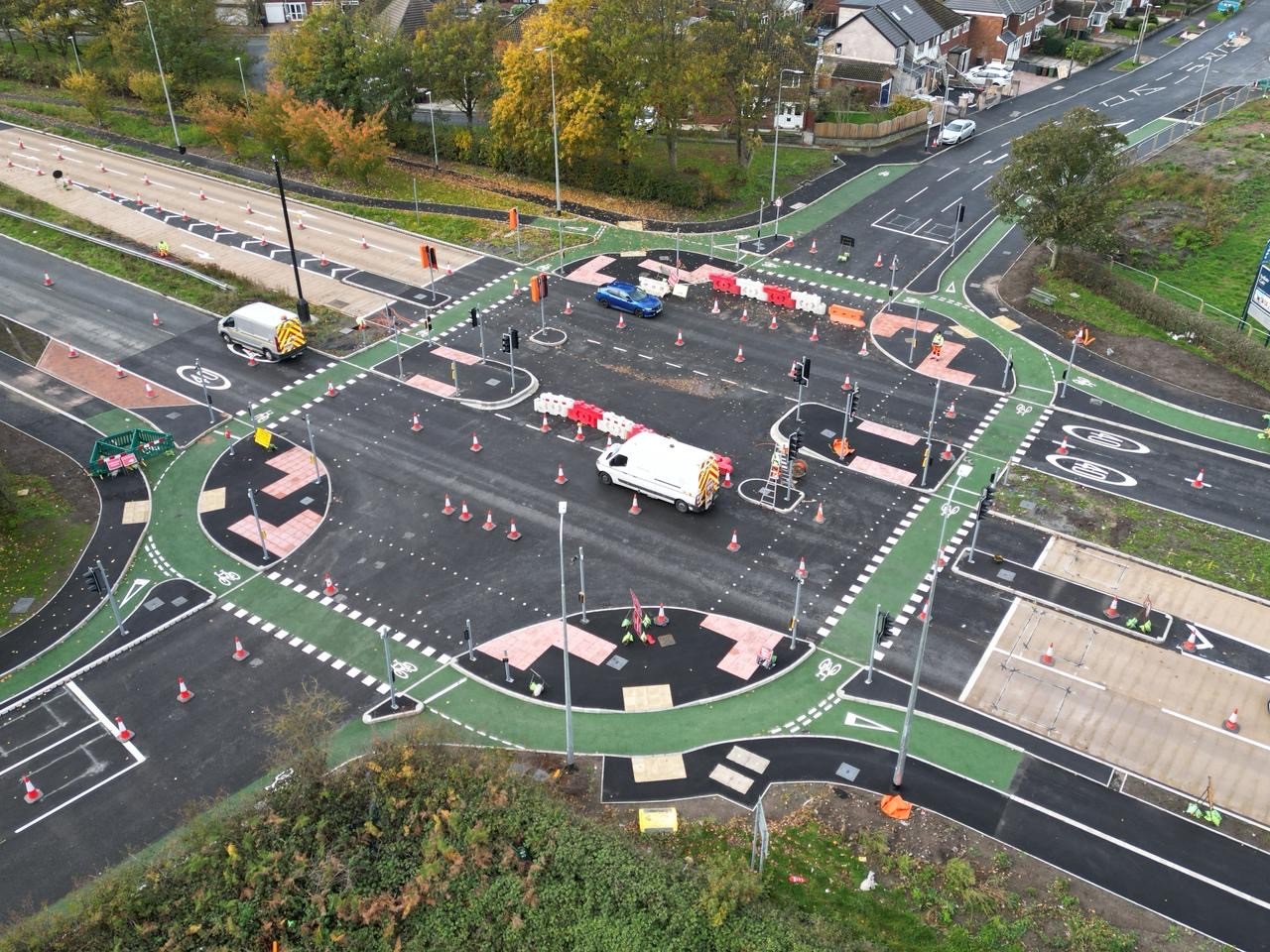
- Multimillion-pound electrification works now complete at North Liverpool’s Gillmoss Depot.
- The facility is fully upgraded to charge more than 100 of region’s new, British-built, publicly owned electric bus fleet
- Milestone marks a massive leap forward for Metro Mayor Steve Rotheram’s landmark bus franchising program and 2035 net-zero target.
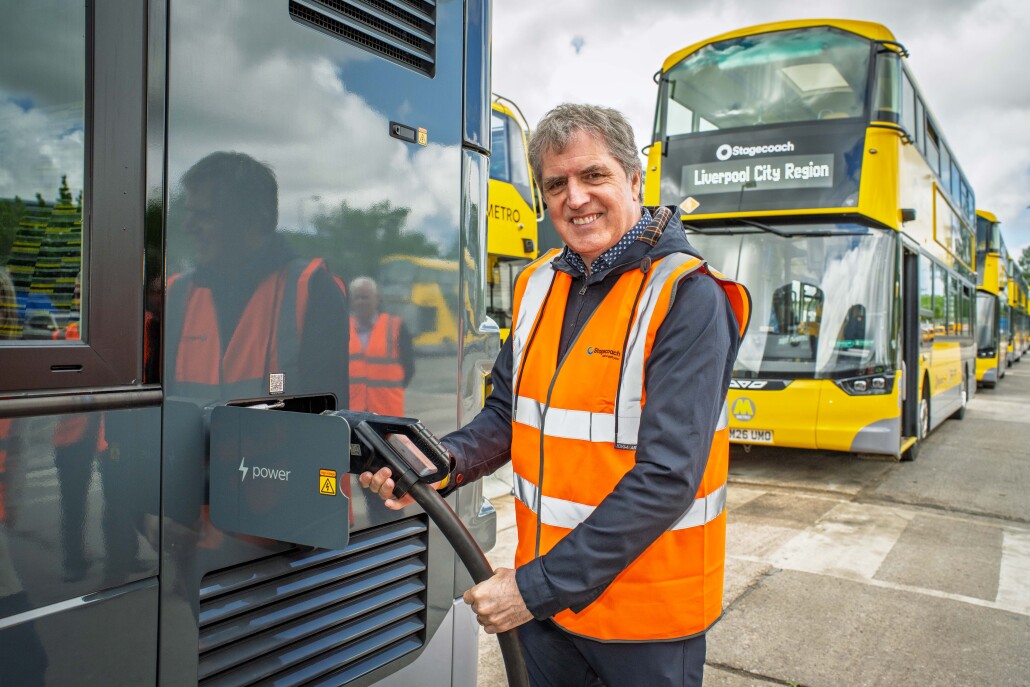
Work is now complete on a major electrification project at Gillmoss bus depot, paving the way for the region’s new fleet of more than 100 publicly owned battery-electric buses to start to enter service this week.
The multimillion-pound transformation – delivered by the Liverpool City Region Combined Authority in partnership with SP Energy Networks, electrical vehicle charging specialists VEV, bus operator Stagecoach and Liverpool City Council – has equipped the depot with upgraded grid connections and high-powered, intelligent charging bays which can fully charge a double-decker bus in as little as 90 minutes.
Gillmoss Depot, operated by Stagecoach, is a key operational base for bus services in Liverpool and Knowsley and will now serve as the primary hub for the region’s growing zero-emission bus fleet.
The project has also involved investment into the depot’s engineering and maintenance functions, with local engineers being upskilled in the maintenance processes required for electric vehicles.
With the project now complete it sets the stage for 108 state-of-the-art battery-electric buses for the network began arriving in the city region earlier this year. Built in the UK by manufacturers Alexander Dennis and Wrightbus, the ultra-modern vehicles can travel up to 275 miles on a single charge.
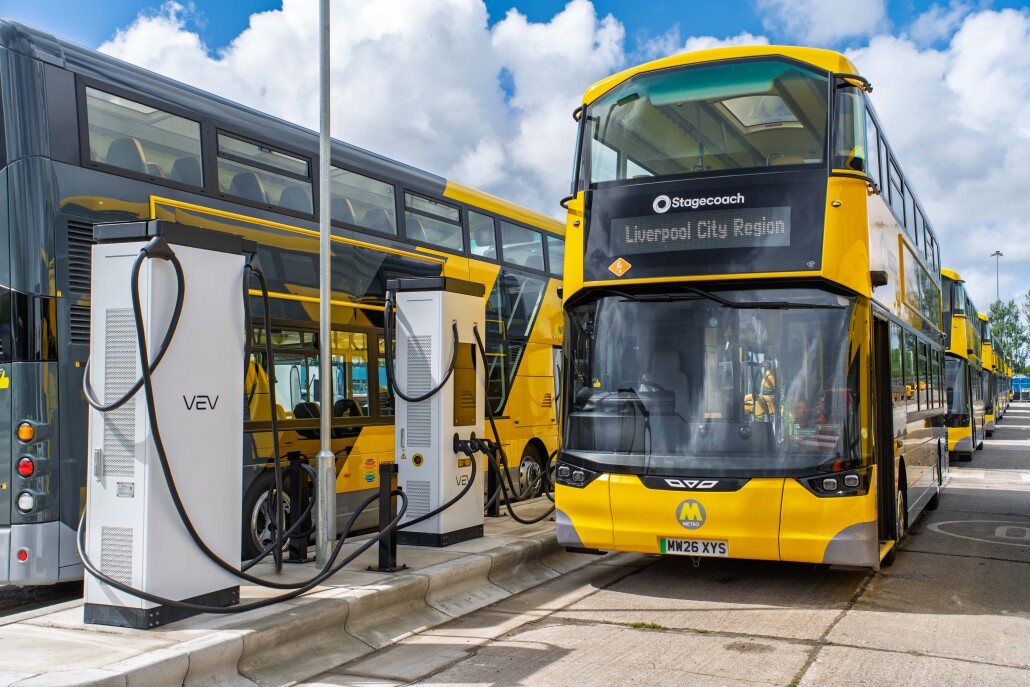
The new fleet are equipped with a range of passenger-friendly features, including glazed staircases, improved accessibility, USB charging points, and real-time information screens.
Clad in the region’s new distinctive yellow, black, and grey Metro livery, the publicly owned buses join the £500m Merseyrail trains and the first new Mersey Ferry in more than 60 years as part of a modernisation programme which will see the city region’s entire public transport fleet completely modernised over the next few years.
Once in service these new all-electric vehicles will reduce carbon emissions, helping to improve air quality along key transport corridors in Liverpool, Knowsley and Sefton.
The rollout of the new state-of-the-art vehicles is a key element of Mayor Steve Rotheram’s plans to revolutionise bus services in the Liverpool City Region, which include bringing the network back under local public control for the first time in more than 40 years.
Work to bring the network into public control is being delivered in phases, with St Helens and Wirral leading the transition in September 2026 with buses in Knowsley, Liverpool and Sefton set to be fully franchised by end of 2027.
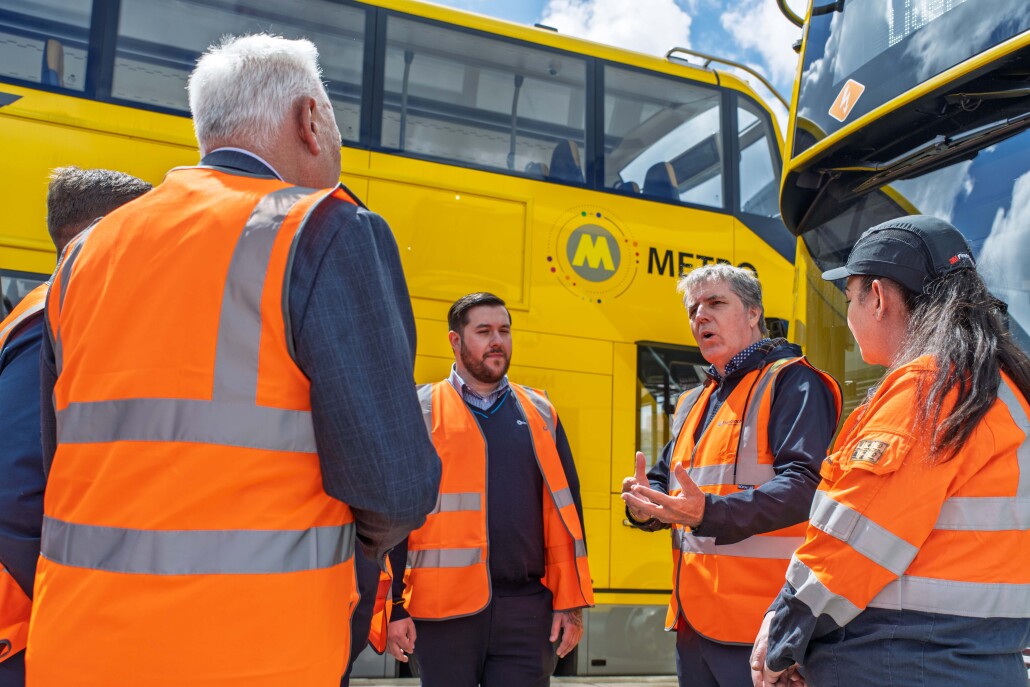
Steve Rotheram, Mayor of the Liverpool City Region, said:
“We’re gearing up for the biggest change to our region’s buses in more than 40 years. Behind the scenes, we’ve been doing the work to make sure everything is ready to deliver it.
“When we take back control of services later this year, we’ll already have the foundations in place to deliver a network shaped around passengers – with plans in motion to provide a cleaner, more accessible and more reliable fleet that is fit for the future.
“But this transformation goes far beyond shiny new vehicles. We’re investing in the infrastructure to power this transition – from state-of-the-art electric charging facilities to investing in the green skills our workforce will need to maintain these fantastic new buses.
“Over the next few months, passengers will start to see a complete transformation taking place across our public transport network. From our publicly owned electric buses and battery-powered trains to our brand-new Mersey Ferry, we’re investing in a modern, 21st century network that will serve not just today’s passengers, but future generations.”
Initially, the new electric fleet will enter service on local routes to support driver training and testing, before fully transitioning into franchised operations.
Funding for the zero-emission fleet and depot upgrades was secured via the City Region Sustainable Transport Settlement (CRSTS) and the Department for Transport’s Zero-Emission Bus Regional Areas (ZEBRA 2) fund.