- More than £46m for one of UK’s most generous concessionary travel schemes
- Funding for £2 bus fares and for plans to take back control of bus network
- More than £60m to train tens of thousands of adults
- Investment in Mersey Tidal Power, digital, business support, race equality and culture
- Mayor: ‘This budget is about tackling inequality and making sure everyone benefits from our progress. ’
Ambitious plans to develop public transport, grow the economy and train tens of thousands of people are central to the Liverpool City Region Combined Authority budget for 2025-26.
Set to be considered at this month’s Combined Authority meeting, the budget includes more than £46m to fund the city region’s generous concessionary travel scheme which offers travel passes to residents at the age of 60 – a full seven years ahead of the national scheme.
Care leavers, apprentices and people with disabilities will also benefit from discount and free travel schemes and the price of a MyTicket – giving young people all-day unlimited travel in the city region – is frozen for a seventh year running, remaining one of the cheapest child tickets in the country.
The budget includes an extension to the £2 bus ticket price cap and funding to develop publicly-backed plans for the Combined Authority to take control of the city region’s bus network – determining fares, routes, timetables and quality of vehicles.
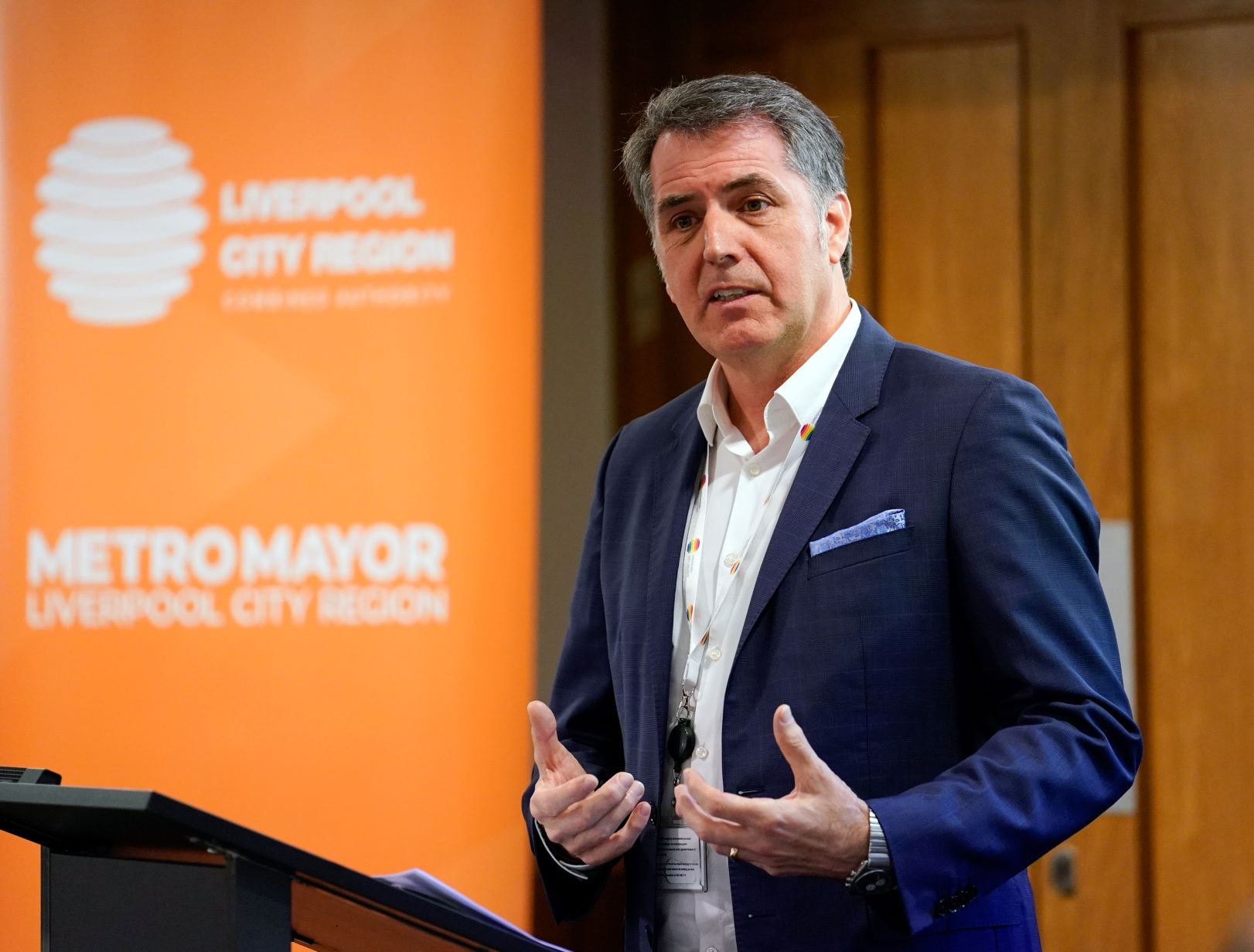
Steve Rotheram, Mayor of the Liverpool City Region
Ensuring the region’s residents and businesses have the right skills to prosper continues to be a priority, with more than £60m to fund training for tens of thousands of city region adults. Funding will continue for the city region’s Freeport and Innovation Zone programmes, which are designed to increase inward investment and support business growth and jobs in key industries.
With digital connectivity vital for innovation, quality of life and economic growth, the budget supports the city region’s digital programme and development of an AI Task Force. The move follows the success of the city region’s first international AI Summit in November and this week’s announcement that US tech giant Kyndryl is to create up to 1,000 jobs at a new base in the city region.
The budget also includes funding for the city region’s pioneering Race Equality Hub that’s targeting employment inequalities and removing barriers in the labour market for people from Black, Asian, and Minority Ethnic backgrounds through a focus on training, employment support and business assistance.
Liverpool City Region Mayor Steve Rotheram said:
“This budget sets the course for a Liverpool City Region that’s the best place to grow up, grow a family, and grow a business. We all know how tough the past few years have been after more than a decade of austerity – with rising costs and pressures hitting households and businesses alike. But even in challenging times, this budget focuses on growth: growing opportunities, growing ambition, and growing the quality of life for the 1.6 million people who call our region home.
“It’s about tackling inequality and making sure everyone benefits from our progress. We’re investing more than £60m to give tens of thousands of adults the skills they need to secure good jobs and build brighter futures. We’re keeping transport affordable and accessible, extending the £2 bus fare cap, freezing Merseyrail fares, and moving to the final stages of bringing buses back into public control – so that we can shape a network that works for local people, not private profits.
“This is devolution in action – local decisions, made by local people, for the benefit of local communities. And with a new government ready to work with us, we’ve got the chance to go even further, unlocking opportunities that deliver real, tangible benefits for our area. Together, we can ensure the Liverpool City Region isn’t just a great place to live – it’s the best.”
The city region’s ambitious target to be net-zero by 2035 is backed by funding to develop the world’s largest tidal power scheme on the River Mersey that would provide clean, predictable energy for hundreds of thousands of homes for 120 years. Schemes to make thousands of homes more energy efficient will also be funded and the Mayor’s Community Environment Fund, which has helped nearly 100 grassroots green projects, will be supported for a fourth year running.
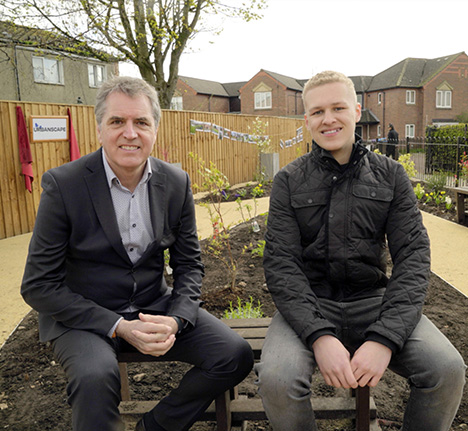
Mayor Steve Rotheram with Khan Odita whose Mulgrave Street Action Group received funding from the Community Environment Fund to transform land blighted by fly-tipping into a community garden
More than £300,000 has been earmarked for cultural projects in a budget designed to help make Liverpool City Region the best place to grow up, grow a family and grow a business – where no-one is left behind.
The budget is set against a challenging economic backdrop and balances the need to support households, businesses and local authorities while addressing the Combined Authority’s own financial pressures. All efforts have been made to reduce costs while maximising benefits to the city region.
In a revenue budget of just over £292m, the Mayoral Precept is set to rise by between £3 to £4 a year for most Liverpool City Region households during 2025/26 – equivalent to around 1p extra per day.
The proposed rise is the first since the precept was introduced seven years ago and a similar increase is planned for every three to four years going forward to help fund Mayoral priorities, which will be of significant and long-term benefit to the city region.
The Transport Levy, paid by local authorities to support public transport, will rise by 1.7% – in line with the September 2024 inflation figure. The increase reflects higher inflationary pressures within transport – particularly energy costs and pay – but has been kept to a minimum in recognition of the immense financial pressures facing local authorities. The levy is significantly lower than 10 years ago.
A second part to the budget covering capital spending on buildings and infrastructure, including major investment projects such as the new Baltic Station, smart ticketing and the new Mersey Ferry, will be considered at the Combined Authority’s meeting on March 7.
READ MORE about plans for a new Liverpool Baltic station
READ MORE about the new Mersey Ferry



