Consultation shows public support for Liverpool City Region’s proposed bus franchising scheme
Consultation shows public support for Liverpool City Region’s proposed bus franchising scheme
Friday 29 September 2023General NewsTransportEstimated Read: -- min
More than 6,000 people took part in the consultation – with nearly 70% of the public supporting a franchising model
Mayor to consider introducing bus franchising and bring bus services back under public control
Franchising would represent the biggest change to local buses in 40 years
The vast majority of respondents to a major consultation on how buses are run in the Liverpool City Region support proposals for the Mayor and Combined Authority’s proposed franchising scheme, reports published today have revealed.
More than 6,000 local residents had their say in the 12-week consultation, with responses also received from stakeholders, bus operators, and local businesses.
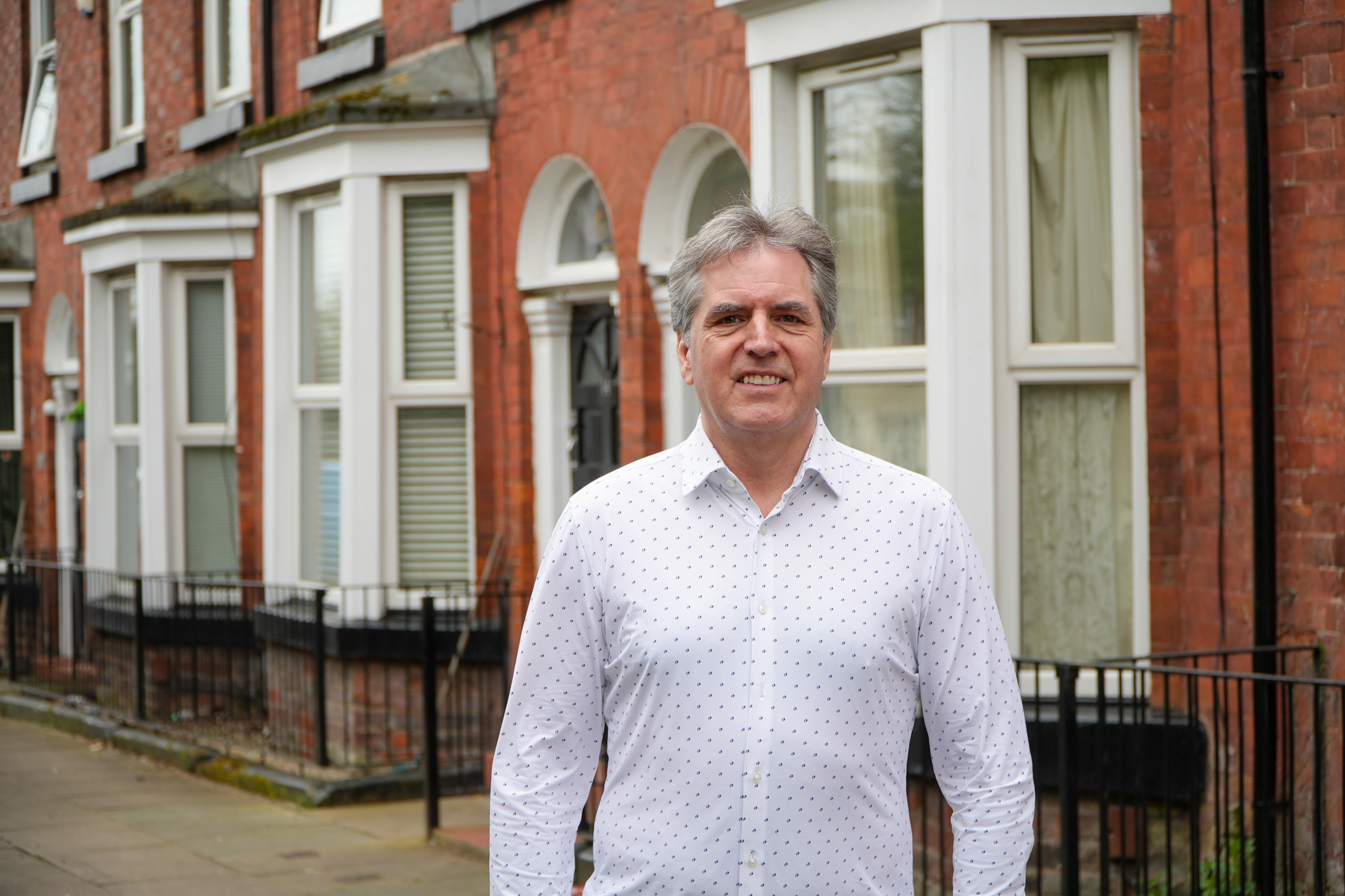
Mayor Steve Rotheram stepping off a new hydrogen bus.
The Combined Authority and independent transport consultants AECOM have reviewed, analysed and summarised all responses.
Their analysis shows that nearly 70% of respondents support the introduction of franchising with the same proportion saying they believe that bringing buses back under public control will have a positive impact on future bus network improvements.
A summary of the responses to the consultation has been published as part of a report by the Combined Authority ahead of its meeting next week, Friday 6 October, where the Mayor will make a decision following a discussion with local leaders.
The report concludes that, of the available options, franchising offers the best opportunity for the Combined Authority to deliver on its ambitions for quick and reliable journeys, a comprehensive integrated bus network, simpler ticketing, great value fares and an emission free fleet, as set out in its Bus Service Improvement Plan.
Liverpool City Region Mayor Steve Rotheram, said:
“I’m incredibly grateful to every single person who took the time to respond to our consultation and, if it’s made one thing abundantly clear, it’s that buses matter to local people.
“Around 82% of all public transport journeys are taken by bus in our region – that’s 400,000 journeys every day. They’re a vital public service that connects people to opportunity and to each other. For far too long, passengers in our area have been forced to contend with a second-class service that’s too confusing, too expensive and too unreliable. Our bus network is broken and residents want it to be fixed. I won’t accept a public transport system that leaves behind the very people who need it most.
“The public have made their feelings loud and clear and next week we’ll be taking a really important decision on the future pathway for our region’s buses. Fixing the bus network is central to my ambition to deliver an integrated, London-style transport network that’s faster, cheaper, cleaner and more reliable.”
If agreed, the move to franchising would see the Liverpool City Region become only the second area outside London to take control of its bus network since the 1980s deregulation by the then-Thatcher government.
Franchising means bus services – including routes, frequencies, fares and standards – would be brought under local control. The Combined Authority would coordinate the bus network based on what passengers need and would have the power to reinvest any profit made back into improving services.
The bus operators would be commissioned by the Combined Authority to run the services, as is currently the case in London and as is being implemented in Greater Manchester. It would also allow the Combined Authority to integrate buses with the rest of transport network.
Under the plans, buses would be able to better integrate with other modes of transport – including the region’s £500m fleet of new, publicly-owned trains – and ticketing would be made simpler and more convenient with the introduction of a tap-and-go system. Daily fare caps would ensure passengers would always pay the cheapest fare across the whole network.
If franchising goes ahead, a three year transition period would occur to allow network improvement measures – such as bus prioritisation infrastructure and the reintroduction of bus lanes in Liverpool – to be introduced before the first franchised services begin in St Helens as soon as 2026 as part of a phased introduction across the wider Liverpool City Region.
Similar Articles
Mayor sets out plan to take back public control of Merseyrail